Commercial Mold Remediation in North End, ID
Mold removed from affected walls, ceilings and storage areas in your North End business premises. Call 24/7 to start your assessment and plan contained cleanup.
- Moisture source assessed
- Contained work and HEPA filtration
- Business access planning
Commercial Mold Remediation Services Across North End
In your offices and stockrooms, cleanup covers walls, suspended ceilings and reachable framing. Sound surfaces undergo cleaning followed by drying. Porous materials with damage are taken out.
Your affected rooms and source of moisture are the starting point. Equipment access and shared ventilation guide commercial mold cleanup planning.
A written scope of work defines removal, cleaning and separate repairs. Your property manager or facility manager can coordinate access around staff and customers.
- Wall and ceiling material assessment
- Contained removal of damaged materials
- Surface cleaning for non-porous materials and sound framing
- Checking the shared HVAC system if affected
- Managed drying followed by final condition checks
When Your Property Needs Commercial Mold Removal
Recurring growth, damp finishes and musty rooms can signal a moisture problem.
Mold Returning After Surface Cleaning
Returning spots suggest the moisture source or affected material still needs attention.
Soft Commercial Walls
Concealed dampness may show up as paint bubbles, swelling in baseboards and softened drywall.
Spots on Commercial Ceiling Tiles
Roof or plumbing leaks may leave water marks or dark patches beneath them, with tiles that sag.
Musty Commercial Storage Areas
Damp materials in your stockroom may bring a lasting smell near cartons or shelving.
Growth Near Commercial Air Vents
Around your vents, visible mold growth may appear with affected HVAC materials or condensation.
Commercial Mold Remediation: What the Work Involves
Contained mold removal comes first, followed by drying and verification. Your barriers stay up until those stages finish.
Commercial Mold Inspection
Rooms, ceiling spaces and access routes are assessed. A thermal imaging camera reveals temperature patterns rather than mold; a moisture meter finds dampness.
Moisture Source and Commercial Scope
Leaks, condensation and shared systems are assessed first. Moisture corrections and removal limits are documented in your written scope of work, with either phased remediation or planned after-hours work.
Work Area Containment
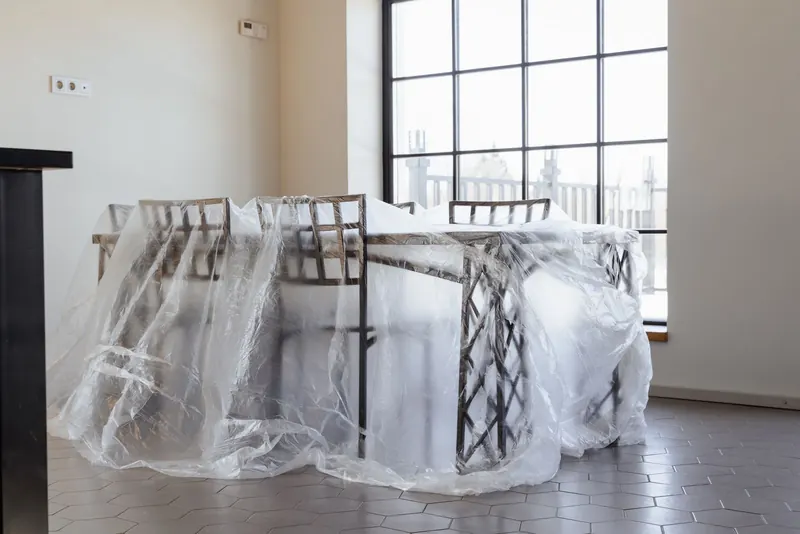
A containment barrier is built using poly sheeting. Where appropriate, negative air pressure joins protective equipment and a HEPA air scrubber to restrict mold spores from spreading.
Damaged Building Material Removal
Damaged materials are bagged inside containment. Drywall removal opens affected cavities; debris leaves along the planned route away from occupied areas.
Cleaning Remaining Surfaces
Sound framing and non-porous surfaces receive HEPA vacuum cleaning and suitable damp wiping. Antimicrobial treatment does not replace removal and cleaning.
Controlled Drying
Where suitable, air movers work with a dehumidifier to aid drying once contamination is controlled. Progress is tracked through moisture readings as corrections address the water source.
Post-Remediation Verification
Drying and cleaning undergo checks. An independent assessor performs clearance testing when specified, documenting findings in a clearance report.
Containment Removal
Verification takes place before barriers are removed. Separate reconstruction or reinstatement of equipment follows if needed, ahead of a return to normal use.
Why Choose Boise Mold Removal Services for Commercial Mold Remediation
Clear Scope Before Work
Containment goes up only after defining separate repairs, affected rooms and access for your business.
Contained Commercial Work
Containment and HEPA filtration suit the space, with debris routes planned around occupied areas.
Calls Answered 24/7
You can begin commercial cleanup throughout the metro by calling one number, night or day.
Removal Through Final Checks
Removal of damaged materials and surface cleaning and drying come before verification and containment removal.
Commercial Moisture First
Leaks and condensation are traced during your assessment ahead of removal.
Steps Before Commercial Mold Cleanup in Ada County
Call for your assessment, leaving the affected area undisturbed.
- Restrict entry. Restrict access so your staff and customers avoid wet materials and visible growth.
- Leave affected stock in place. Keep moldy furniture and cartons from passing through your clean business spaces.
- Avoid disturbing growth. Avoid sanding or scraping affected ceiling tiles and walls, and never dry-brush them.
- Keep clear of electrical hazards. Where business equipment, wiring or outlets are nearby, do not approach standing water.
- Stop suspect HVAC use. EPA advises leaving suspected mold-contaminated equipment off, since running the equipment can spread mold.
Discuss Your Commercial Mold Remediation Cost in North End, ID
Your price follows affected area, access and removal volume. These national figures cover general mold work, not commercial-only projects; your building scope determines the price.
Typical national range, average $3,500
$1,500 to $9,000 per jobSource: Fixr, Mold Remediation Cost (checked 2026-10-23)Areas larger than about 10 square feet: professional rate
$10 to $30 per square footSource: Fixr, Mold Remediation Cost (checked 2026-10-23)About 100 square feet of mold
$1,000 to $3,000 per jobSource: Fixr, Mold Remediation Cost (checked 2026-10-23)Factors Behind Your Commercial Mold Cleanup Price
- Phased remediation and operating-hour limits
- Access around equipment
- Affected area and removal depth
- HVAC involvement
- Containment and HEPA filtration
Your Commercial Cleanup Price
These published national ranges are planning figures. Your on-site assessment defines the work and price before cleanup starts, including any separate source repairs or rebuilding.
Call (844) 352-3560 about costCommercial Mold Remediation Service Area Across Greater Boise
Call (844) 352-3560 to arrange cleanup in North End or nearby communities. One number covers the metro.
Commercial Mold Remediation in Locations Near North End
ZIP codes
Answers to Commercial Mold Remediation Questions in North End
Do you need commercial mold testing before cleanup or afterward?
With visible mold, you often do not need air sampling, according to EPA guidance. Your cleanup scope and affected materials are established through inspection and moisture checks. Following removal, verification of drying and cleaning comes before taking down containment. When specified, clearance testing is carried out by an independent assessor. Federal limits do not exist for indoor mold levels.
Will mold return after your building is cleaned?
If dampness remains unresolved, mold may grow again. Your cleanup starts with leak and condensation assessment, then removes damaged material and cleans salvageable surfaces. Drying and fixing moisture issues happen before replacement finishes. Completed repairs and continued humidity control help keep growth-supporting conditions from returning to your building.
Will your leaks and ventilation issues also be repaired?
Your assessment identifies the moisture source and defines necessary corrections alongside cleanup. Your scope must list roof, plumbing and ventilation repairs for those repairs to be included. Identifying separate repair work before removal keeps cleaned surfaces and new materials from being closed in around an uncorrected moisture problem.
How much time should you allow for commercial cleanup in North End?
Your schedule is set after evaluating materials, drying requirements and access. A warehouse or retail space presents different circumstances from schools, hotels or restaurants with shared ventilation and occupied rooms. Phased remediation and after-hours work can affect timing. Moisture readings and separate repairs determine when each area returns to use.
Which of your business property's finishes must come out?
Growth may extend into porous materials, so moldy carpet, insulation, ceiling tiles and damaged drywall may have to come out. Sound framing and accessible hard surfaces can often be cleaned and dried. Your scope follows the actual damage and access needs. Reconstruction and replacement finishes must be specifically listed to be included.
Can you keep your business open while removal takes place?
In an occupied building, you may keep unaffected spaces in use when ventilation and access permit separation from cleanup areas. Your assessment covers staff, customers, deliveries and routes used in emergencies. You may need to close additional space because of extensive damage or shared HVAC. Containment alone does not establish that continued occupancy is appropriate.
What is the commercial cleanup cost for your Ada County property?
Your cost reflects removal depth and affected square footage, plus containment requirements and access for equipment. Cost cards present figures from national sources covering general mold work instead of prices quoted for commercial projects. Shared systems, phased work and replacement materials can change the total. Your assessment sets the price and work involved ahead of cleanup.
Commercial Mold Cleanup: Understanding Insurance in Idaho
For your commercial policy, coverage varies with the moisture source, deductible, exclusions and limits for mold. Insurance may assess the cleanup, interruption to business and repair portions of a claim differently.
Commercial Mold Safety for Properties Across Greater Boise
Containment and controlled access limit particle spread during work.
Contaminated Water
If sewage or contaminated water damage is involved, seek professional help experienced in that work, as EPA advises.
Occupant Sensitivities
Mold may trigger symptoms of allergies and asthma in some people, as CDC notes.
Hidden Dampness
You cannot judge hidden insulation or cavity conditions from a surface that feels dry.
Color Is Not a Risk Test
CDC guidance says color does not tell you how risky a mold is.
Cleanup scope: Homeowners can clean areas under about 10 square feet in many situations, according to EPA guidance. Assess workplace occupancy separately; seek professional help for larger areas, affected HVAC or contaminated water.
Commercial Materials Cleaned or Removed at Your Ada County Property
Your cleaning or removal choices depend on material condition and accessibility.
Sound surfaces
- Accessible metal, glass and tile undergo cleaning; framing in sound condition is both cleaned and dried.
Damaged porous materials
- Moldy drywall, insulation, carpet and suspended ceiling tiles may need removal.
Business contents
- Furniture, stock and electronics receive separate assessment before cleaning, relocation or disposal.
Commercial Mold Work in Ada County: Arranging Your Schedule
Repair timing, moisture measurements, removal quantities and accessibility set the pace for your project.
- Isolated room: Hidden damage and drying readings determine readiness for repairs.
- Occupied floor: Planning each phase accounts for work windows and routes for access.
- Shared HVAC or multiple suites: The order of work depends on system checks and neighboring occupants.
Odor and Moisture at Your North End Commercial Property
Musty odor is investigated through moisture and material checks. Fragrance does not correct water intrusion or remove affected materials.
Correct leaks and ventilation faults, then use humidity control to support prevention in your building. EPA recommends keeping relative humidity indoors below 60 percent; the ideal range is 30 to 50 percent.
Commercial Cleanup Requirements in Idaho
Commercial Work Requirements
Idaho does not have a state agency that regulates mold inspection or removal, and the Department of Health and Welfare says no Idaho state law requires mold inspections or sets cleanup standards. It is worth asking any contractor about their training and checking local contractor rules.
EPA Guidelines for Drying
Prevent mold growth by drying your water-damaged areas and belongings within 24 to 48 hours.
Repair Permits
Permit needs follow the electrical, structural and other repairs included in your scope.
State Mold Information
The Idaho Department of Health and Welfare (DHW) Environmental Health Program answers mold questions at 800-445-8647, but DHW does not test or inspect homes for mold.
State guidance: Idaho Department of Health and Welfare, Mold; Idaho Attorney General, Landlord and Tenant Manual (July 2026)
Related Services and Next Steps
Start Your Commercial Mold Remediation in North End
Call 24/7 to arrange your assessment. Your cleanup starts with the affected surfaces, moisture source and access to your home.